Therapist, Performance Coach, Speaker.
HANS SKULSTAD
Changing the conversation to Mental Fitness.
Help Your Athletes Get to the Next Level — Mentally and Professionally
Mental fitness is the missing piece elite athletes need to become truly great.
You have the talent. Now it's time to give them the tools.
FEATURED IN:
FEATURED IN:

You Want To See Their Dreams Come True
Their dreams start when they watch their heroes. They want to be just like them. And you get to witness that journey.
They invite you into their lives — not just theirs, but their families', their communities', their teams', and the kids they grew up playing with. But at some point, your role shifts. Now it’s your job to help them get to the next level.
You know the challenges ahead. You can help them through injuries, the choices they have to make, the ups and the downs. But then one day they lose it…..
Their confidence is gone and you can see it in their eyes, the way they play the game and their body language. The “IT” you saw and they felt is hidden. They fear its gone and never to come back again.
You Know a Few Things That Might Help... But It’s Getting Harder
The longer it goes on, the harder it is to pull them out of it. And it’s painful — for them and for you.
Why is it so hard to regain confidence?
"It's the thing that almost every athlete I work with comes and asks me to help them find self confidence. Though you can't buy it on Amazon. You have to get it from within."
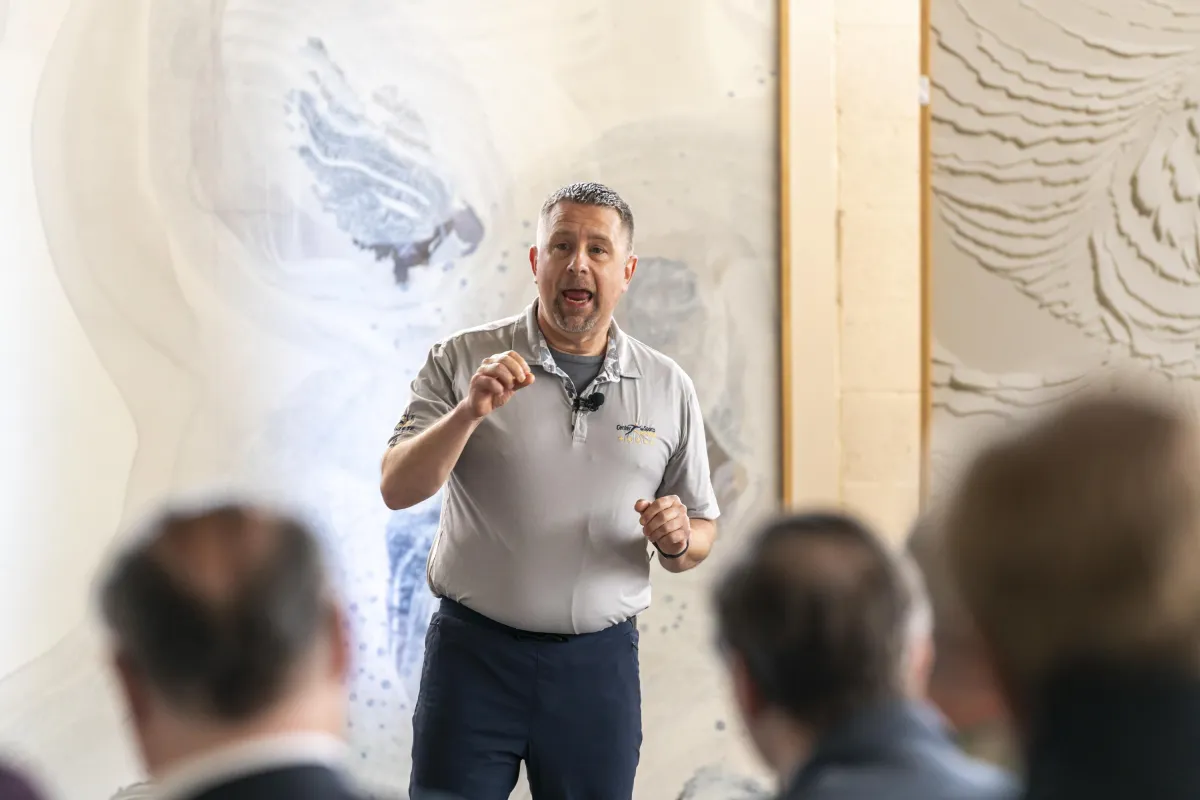
What Most Athletes Get Wrong About Confidence
"I need my coach to have confidence in me in order for me to have self confidence."
That’s not self confidence. That’s borrowed confidence.
Even if your coach doesn’t believe in you, you still have to go out, perform, and execute at your highest level.
So why does self-confidence feel so elusive?
Because most athletes believe it’s just an emotion.
But here’s the truth: Self-confidence is both an emotion and a skill.
MORE ABOUT US
Create Fulfilling Relationships and Enhance Communication
Strong and meaningful relationships are the foundation of a happy life. Our coaching can help you build better connections, improve communication skills, and resolve conflicts, leading to more fulfilling personal and professional relationships.

OUR SERVICES
High Quality Services

Group Coaching
Explain any group coaching programs or workshops you offer. Provide information about the topics covered, the format (online or in-person), and the benefits of learning and growing alongside others in a supportive group setting.

Career Coaching
Detail your career coaching services, including assistance with career planning, job search strategies, interview preparation, and career transitions. Mention any expertise in helping clients find their passion and purpose in their professional lives.
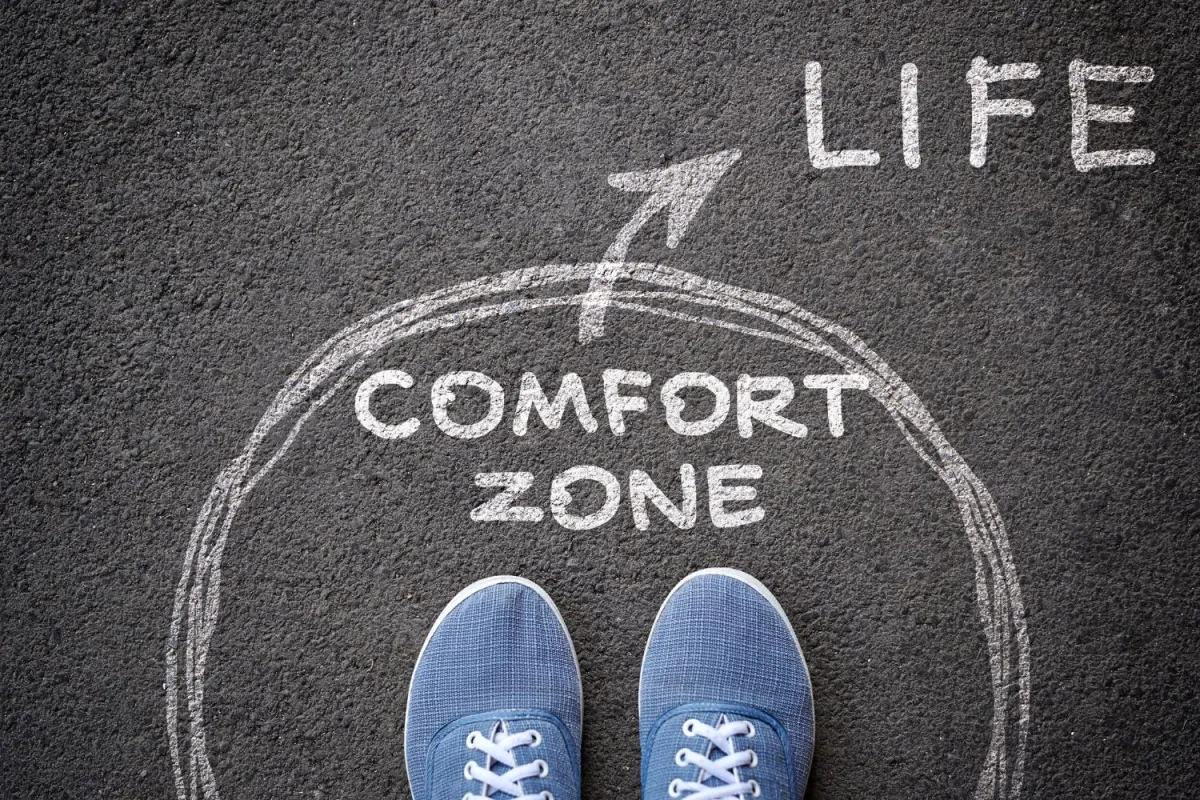
Life Transition Coaching,
Detail your trade-in services, including the process for customers looking to trade in their current vehicles. Explain how you determine trade-in values and any special promotions or incentives for trade-ins. Provide a tool for customers to get an estimated trade-in value for their vehicles.
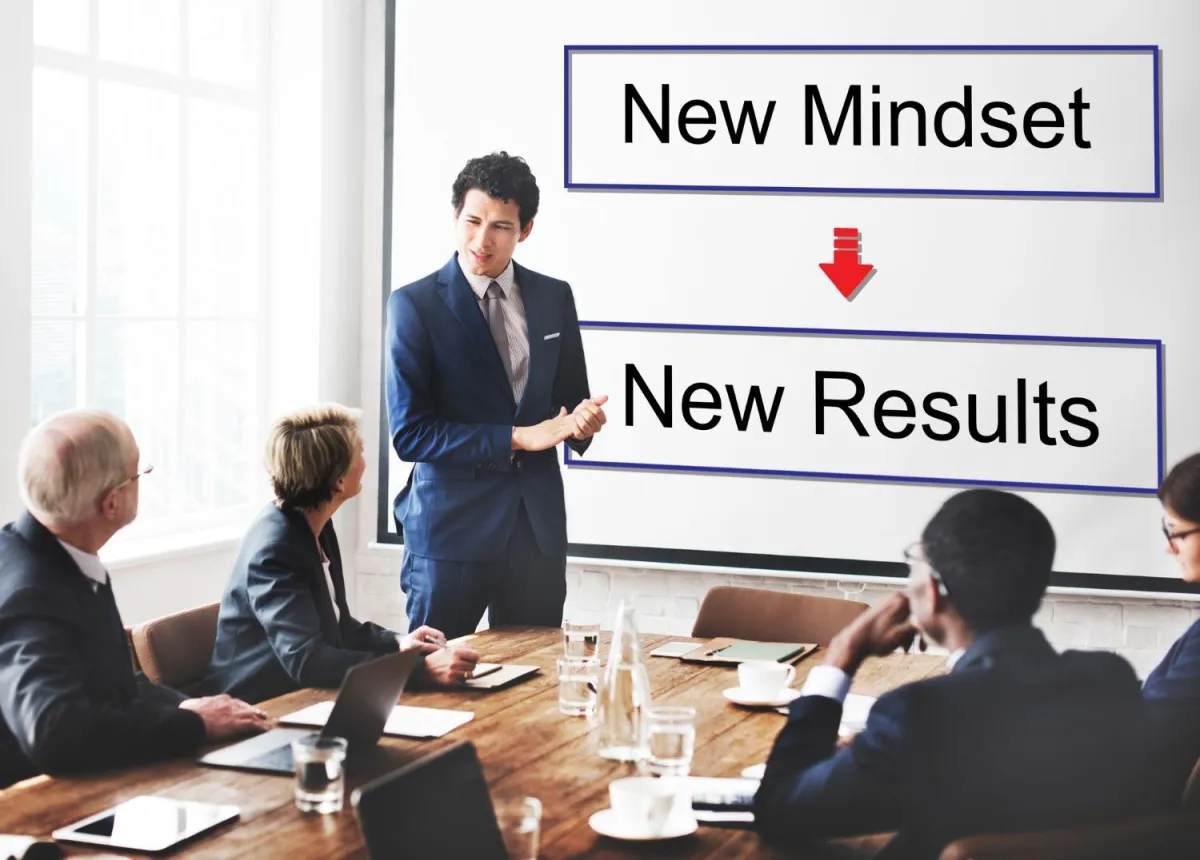
Mindfulness and Stress Management
Emphasize your services related to mindfulness, stress reduction, and emotional well-being. Explain how you can help clients develop mindfulness practices, manage stress, and improve their overall mental health and resilience.
The Mental Toughness Myths -They’re Holding Your Athletes Back
Too many athletes are stuck in a toxic cycle:
Myth: You’re only good enough if you’re perfect.
Trap: The way to fix it is to punish yourself and hold onto every mistake.
These myths create two false identities that dominate sports culture:
The Natural - Born with talent, confidence depends on everything going just right, blames conditions, teammates, or coaches when things go wrong.
The Bust - Every mistake confirms they don’t belong, always fighting to prove their worth, lives in fear, anxiety, and a constant need to prove others wrong.
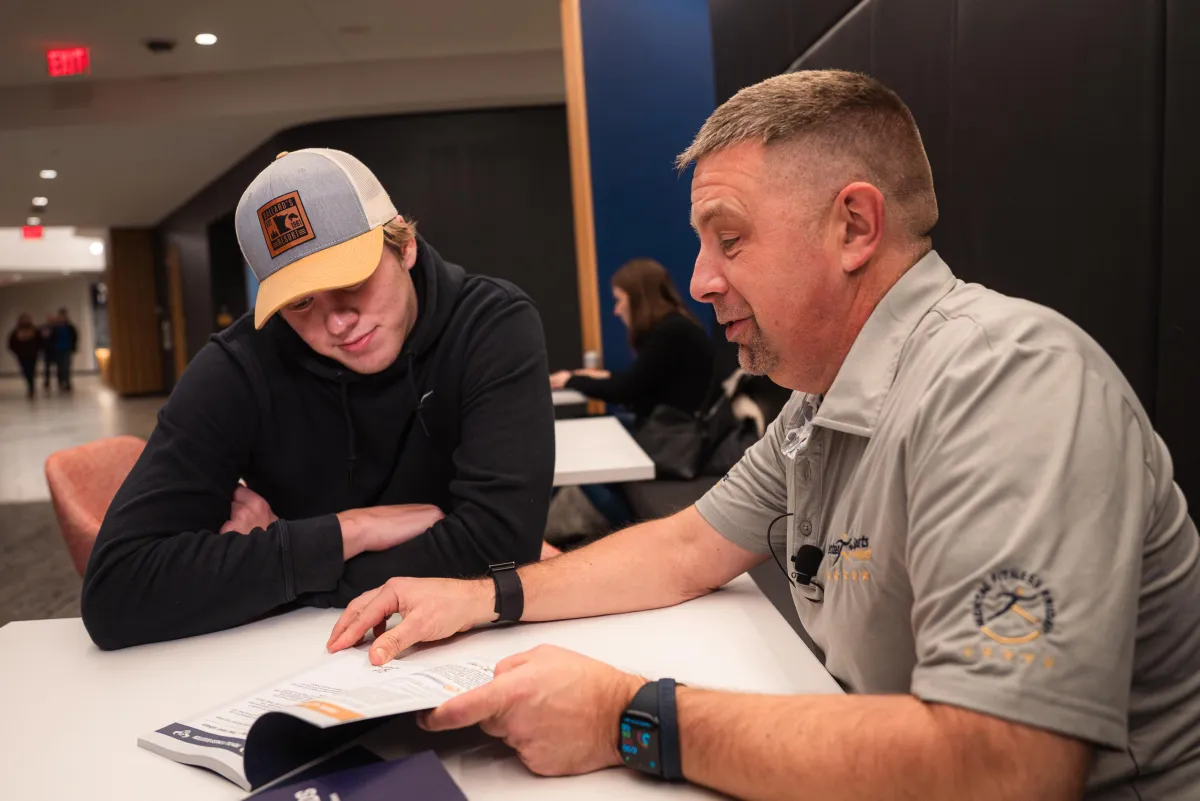
Sometimes They Can Work Through It. Sometimes They Can’t.
And when they can’t, you’re left unsure what to say or do. But here's what helps:
They need tools. They need a system. They need someone trained to guide them.

Professionals Team
We believe in a client-centered approach, tailoring our coaching to your unique goals and aspirations. Whether you're seeking personal growth, career advancement, improved relationships, or enhanced well-being, our team is here to support and empower you every step of the way. Together, we'll inspire positive change and help you become the best version of yourself.
OUR TESTIMONIALS
Client's Feedbacks
The personalized approach they took made all the difference. Each session felt like a tailored roadmap to success. Their unwavering support and encouragement empowered me to overcome obstacles I never thought possible. I've not only achieved my career aspirations but have also grown as an individual, cultivating healthier relationships and a deeper sense of fulfillment.

This is where we come in!
We help your athletes build the mental systems they need to perform at their best — on and off the field.
It all starts with a team presentation — for your athletes or your advisory group.
You know what you did to get it back. But for some players it is a little more difficult.
You know they need some tools to make it happen.
You know they may need a mental skills coach to help them build the systems they need to make it to the next level.
We can help your athletes and it starts with a presentation to your team of advisors or a group of your athletes.
Listen to Pete Rutili of Wasserman explain how he has used it as a resource for his players.
You now have a resource to help them get to those dreams they asked you to help them.
It can all change with a conversation about mental fitness. Book a time with us to show you how we can help you implement a mental fitness training program for your athletes.
We will help you develop systems and a shared language for you to use with your athletes and help them get to the next level.
With us, when their dreams are on the line, no one will be hoping for great. They will have the tools they need to be confident that they can be great.
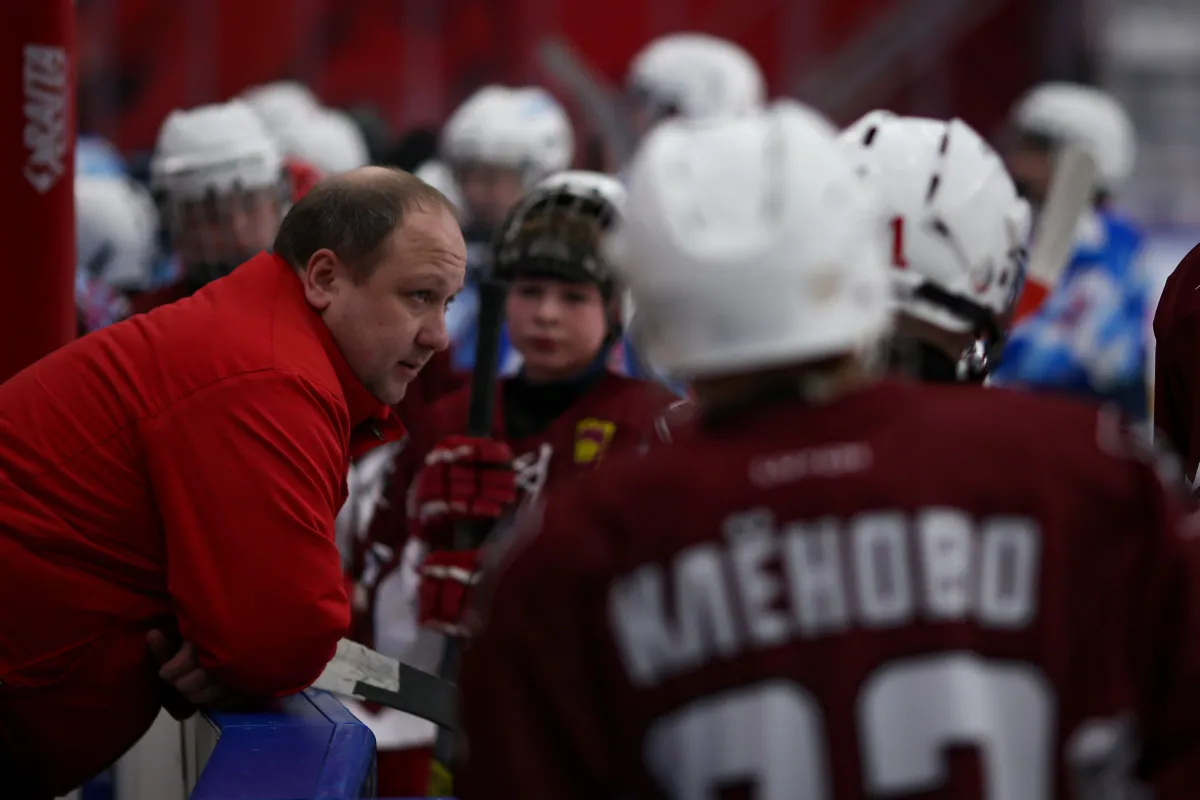
Media Features
The Voice We Leave Behind
Recently my friend Lisa let me know her sister, Betsy — who I dated for three and a half years in college — was going to pass away from a stroke. I hadn’t talked to Betsy in 25 years, but I felt sad.
At her memorial, I learned she lived her values, spending years serving people experiencing homelessness, and building a life of helping others. I went to honor Betsy, her family, and the impact she had on my life. She was kind, patient, driven, nurturing, and smart. She was God’s kid and she saw others that way.
That day I recognized faces, but couldn’t place names. One of her college roommates said, “You’re Hans — we went to Springsteen together. I knew it was you when I heard your voice.”
Looks change. Hair grays. But people remember your voice — and how what you say makes them feel. Your voice gives vision to your values and your legacy.
Use it wisely: in person, online, and on your teams.
When someone hears your voice, do you want them to remember that you called them a name, or that you were warm and saw them as human?
Mental fitness is learning to use that voice responsibly — with others and with yourself.
To Pam, Wayne, Lisa, Andy, Britt, and Erik, and to her partner Vaughn — my thoughts are with you.
And thank you, Betsy, for all you taught me.
Rest in peace.


The 5 Skills of Mental Fitness
Skill 1 - Comfortable with Uncomfortable
Simplifying and Understanding Your Amazingly Imperfect Brain
The Next Play - Normalizing, Neutralizing the The Pain Brain
Skill 2 - Create A Buzz - Be You
Defining Your Values, Skills, Strengths and Areas for Growth
Skill 3 Getting Better Every Day - Expanding Your Skills by Competing Against Your Yesterday
Creating Habits
Measuring Growth
Making Small Changes for Dramatic Results
Skill 4 Learning From Failure
Developing a 3 Step Process for Learning from Failure - Intent, Execution Adjustment
Skill 5 Letting Go - Self Forgiveness
Developing a 3 Step Process for Moving on.
ACT - Accept Decide Turn
Let's Get in Touch
Get In Touch

© 2025 Hans Skulstad. ALL RIGHTS RESERVED.